


-

Add: HeBei ShengShi HongBang Cellulose Technology CO.,LTD.
-

Email
13180486930@163.com -

CONTACT US
+86 13180486930
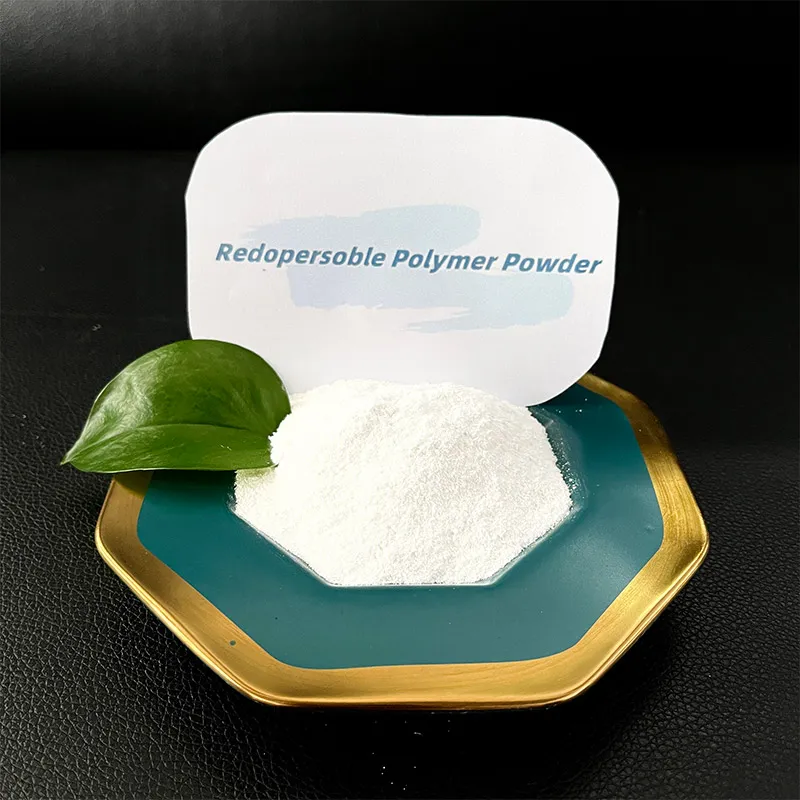
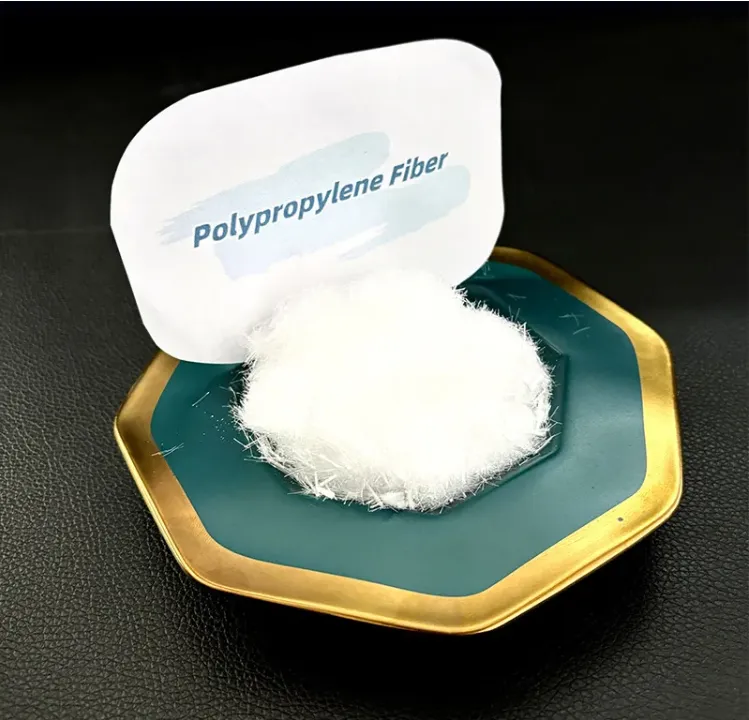
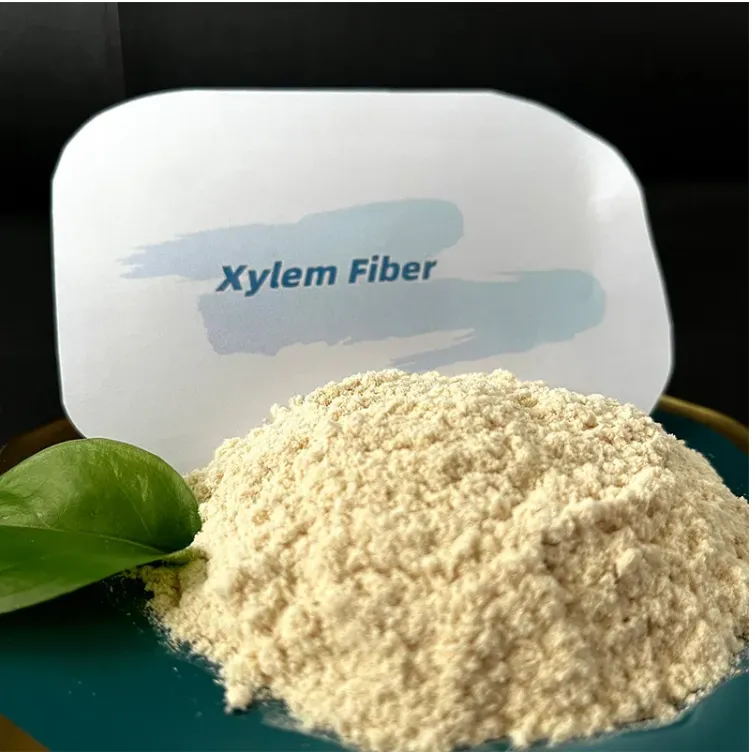

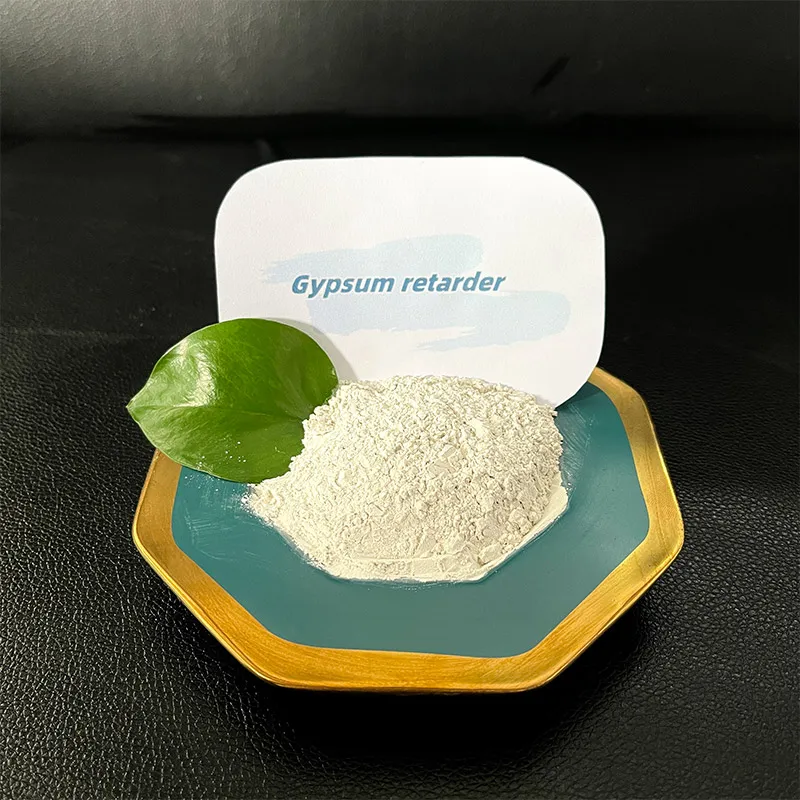


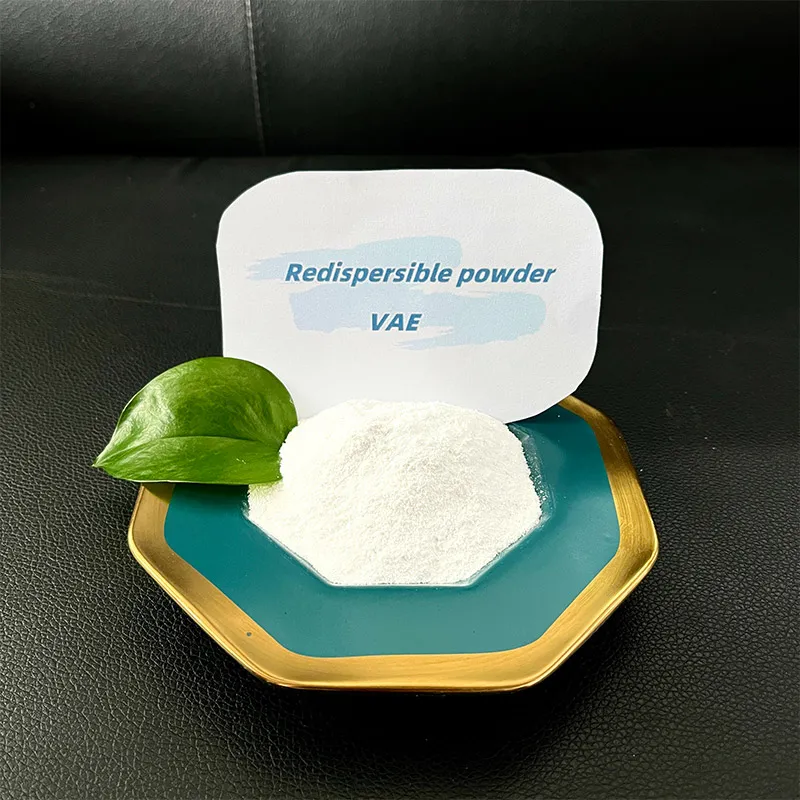
Thin-bed mortars are a cornerstone of modern construction, valued for their precision in tile installation, plastering, and bonding. At the heart of their performance lies polymer powder , a transformative additive that enhances adhesion, flexibility, and durability. Alongside redispersible polymer powder and redispersible powder variants, it elevates mortar quality, making thin-bed applications more reliable and long-lasting. Hebei ShengShi HongBang Cellulose Technology CO.,LTD, a professional manufacturer with over 20 years of experience, located in Hebei Province Xinji provincial clean chemical Industry Park with excellent transportation links, extends its expertise beyond HPMC to include high-quality polymer additives. Their advanced German production processes and daily capacity of 80–100 tons make them a trusted partner for wholesalers seeking top-tier construction materials. This article explores how polymer powder functions in thin-bed mortars, highlighting its key roles and benefits. Types of Redispersible Polymer Powder for Thin-Bed Mortars Polymer Powder: Polymer powder is a generic term for powdered polymers that dissolve or disperse in water, forming a film when dried. In thin-bed mortars, it acts as a binder, improving cohesion between cement, aggregates, and substrates. Wholesalers can note that its versatility makes it suitable for a range of mortar types, from tile adhesives to repair mortars. Redispersible Polymer Powder: Redispersible polymer powder is a specialized variant that, when mixed with water, re-disperses into a stable emulsion. This unique property ensures uniform distribution throughout the mortar, enhancing its overall performance. It is particularly effective in thin-bed applications where even coverage and strong adhesion are critical. Hebei ShengShi HongBang’s redispersible polymer powder is engineered for consistent results, meeting the demands of high-precision construction. Redispersible Powder: Redispersible powder (a broader term encompassing redispersible polymers) offers tailored benefits, such as enhanced water resistance or flexibility. These variants are ideal for thin-bed mortars used in humid environments, like bathrooms, or areas prone to slight movement, such as kitchens. Their adaptability makes them a valuable addition to any wholesaler’s product lineup. Enhancing Adhesion with Redispersible Polymer Powder Film-Forming Binder: Redispersible polymer powder forms a continuous polymer film within the mortar as water evaporates. This film bridges gaps between mortar particles and the substrate (e.g., tiles, concrete), creating a strong mechanical bond. In thin-bed mortars, where contact area is limited, this enhanced adhesion prevents tile slippage and ensures long-term stability. Improved Bond to Diverse Surfaces: Thin-bed mortars often need to adhere to challenging substrates like glass, metal, or painted surfaces. Polymer powder modifies the mortar’s surface tension, allowing it to wet and bond to these materials effectively. This versatility reduces the need for specialized primers, simplifying installation and lowering costs—an advantage wholesalers can emphasize to clients. Resistance to Water and Moisture: Redispersible powder enhances the mortar’s water resistance by forming a hydrophobic film. This is crucial in thin-bed applications in wet areas, such as showers or swimming pools, where moisture penetration could weaken the bond. The polymer barrier prevents water from breaking down the mortar structure, extending its lifespan. Performance Benefits of Polymer Powder in Thin-Bed Mortars Performance Aspect Mortar with Polymer Powder Standard Mortar (Without Polymer Powder) Advantage for Construction Flexibility High; withstands minor substrate movement Rigid; prone to cracking under stress Reduces tile or plaster damage from structural shifts. Adhesion Strength Excellent bond to diverse substrates Limited adhesion to non-porous surfaces Ensures long-term stability in tile and stone installations. Water Resistance Resistant to moisture penetration Susceptible to water damage Ideal for wet areas like bathrooms, kitchens, and swimming pools. Workability Smooth, easy to spread with minimal sagging May be stiff or runny Improves installer efficiency and reduces material waste. This table helps wholesalers clearly demonstrate how polymer powder elevates thin-bed mortar performance, making it a must-have additive for quality-focused clients. Key Functions of Redispersible Powder in Thin-Bed Mortars Reducing Shrinkage: Thin-bed mortars are prone to shrinkage as they dry, which can cause cracks or debonding. Redispersible powder minimizes shrinkage by increasing the mortar’s flexibility, allowing it to contract slightly without losing integrity. This is especially important in large-area installations, where uniform drying is challenging. Enhancing Cohesion: Polymer powder improves the mortar’s cohesion, preventing segregation of cement and aggregates. This ensures a smooth, homogeneous mix that spreads evenly, reducing the risk of voids or weak spots in the thin bed. Enhanced cohesion also makes the mortar easier to handle, reducing installer fatigue. Boosting Durability: Mortars containing redispersible polymer powder are more resistant to abrasion, impact, and chemical exposure. This durability extends the lifespan of thin-bed applications, reducing the need for repairs or replacements. It is particularly valuable in high-traffic areas, such as commercial lobbies or retail spaces. Polymer Powder FAQS What Dosage of Redispersible Polymer Powder Is Ideal for Thin-Bed Mortars? Typically, redispersible polymer powder is used at 3–8% by weight of cement in thin-bed mortars. Lower dosages (3–5%) improve basic adhesion, while higher dosages (6–8%) enhance flexibility and water resistance. Hebei ShengShi HongBang’s technical team can recommend precise dosages based on specific mortar formulations and project needs. Is Polymer Powder Compatible with Other Mortar Additives? Yes, polymer powder works well with common additives like cellulose ethers, plasticizers, and retarders. It complements these materials, enhancing overall mortar performance without adverse reactions. This compatibility simplifies formulation for wholesalers and ensures versatility across applications. Can Redispersible Powder Improve Mortar Workability in Cold Weather? Absolutely. Redispersible powder lowers the mortar’s water demand and improves its flowability, even in cold temperatures. This ensures consistent workability during winter installations, reducing the risk of premature setting or poor adhesion. Does Polymer Powder Affect the Setting Time of Thin-Bed Mortars? In moderate dosages, polymer powder has minimal impact on setting time. However, high dosages (over 8%) may slightly extend curing, which can be beneficial in hot climates where rapid drying is a concern. Hebei ShengShi HongBang offers formulations tailored to balance workability and setting time. Where Can Wholesalers Source Quality Polymer Powder for Thin-Bed Mortars? Hebei ShengShi HongBang Cellulose Technology CO.,LTD provides premium polymer powder and redispersible powder products, designed to optimize thin-bed mortar performance. Visit their website to explore their range and partner with a manufacturer renowned for quality and reliability in construction materials.
- 40000tons

Production
- 20+years

Experience
- 5000+㎡

Acreage

-
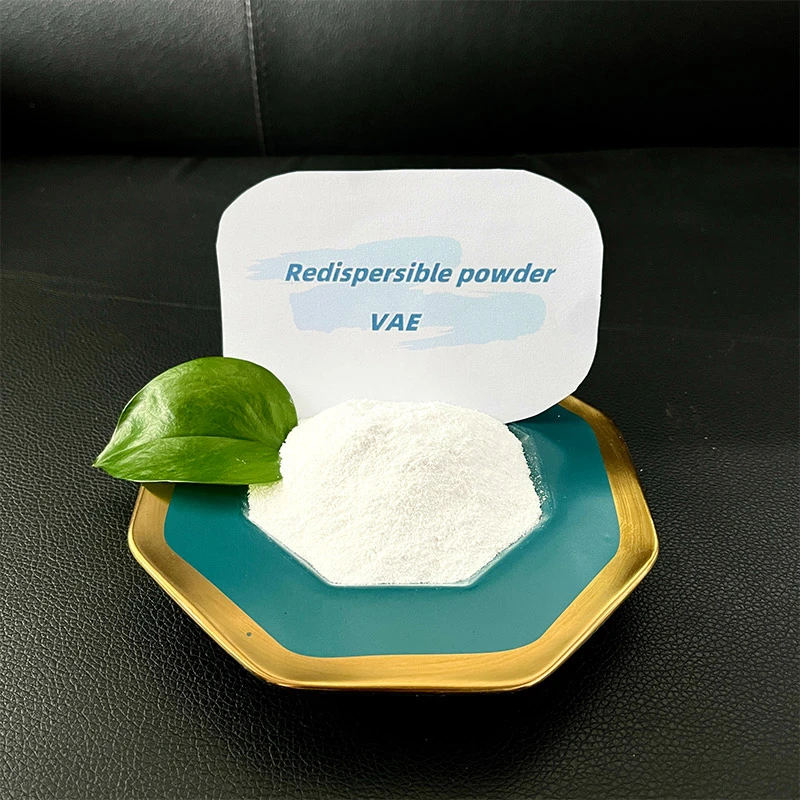
Hydroxypropyl Methylcellulose (HPMC) sheets are increasingly recognized for their versatile applications across diverse industries, making them a critical component for businesses seeking innovative solutions. Designed as a semi-synthetic polymer, HPMC delivers robust performance in a variety of settings due to its exceptional properties such as thickening, emulsifying, and film-forming. Professionals across sectors ranging from pharmaceuticals to construction consistently rely on the credibility and effectiveness of HPMC sheets, drawing from a wealth of expertise and practical experience in their implementation. In the pharmaceutical industry, HPMC sheets serve as vital excipients and coating agents. Their ability to improve the stability and bioavailability of medicinal formulations is unparalleled . Experts in pharmaceutical sciences often emphasize the importance of HPMC sheets for creating controlled release formulations. With precise manufacturing processes that ensure consistent quality, these sheets enable pharmaceutical companies to maintain their authoritative stance in drug development. Real-life case studies underline how reputable pharmaceutical firms integrate HPMC into their processes, enhancing drug delivery efficiency and patient outcomes. The role of HPMC sheets extends significantly into the construction industry, where they are used as crucial additives in cement-based materials. Their incorporation ensures improved workability and water retention, critical factors for constructing robust and durable structures. Construction professionals laud HPMC sheets for their impact on building sustainability and efficiency. An authoritative body of research supports the use of HPMC in modifying concrete behavior, resulting in prolonged lifespan and reduced maintenance costs. This trustworthiness is evidenced through certified standards that these sheets meet, reinforcing their value in structural applications. In the realm of food production, the adaptability of HPMC sheets as a vegetarian alternative to gelatin is well-documented. Food scientists exploit their unique gel formation and stabilization capabilities to develop plant-based food products that meet vegan and vegetarian needs. The expertise applied in processing HPMC sheets for food use takes into account safety regulations and dietary preferences, showcasing their reliability and trustworthiness in consumer goods. Manufacturers committed to transparency highlight the non-toxic, hypoallergenic nature of HPMC, making it a trusted choice for health-conscious consumers. hpmc plate Additionally, HPMC sheets have shown remarkable effectiveness in the cosmetics industry. Their non-irritant properties and ability to form films make them an integral component in skincare and hair care formulations. Cosmetic chemists bring their expertise to the forefront by harnessing HPMC’s properties to deliver smoother textures and enhance the efficacy of active ingredients in beauty products. The authoritative use of HPMC is demonstrated in various clinical trials and consumer feedback that consistently confirm its safety and performance. For businesses contemplating the integration of HPMC sheets into their products or processes, a strategic approach to supplier selection is crucial. Engaging with manufacturers that boast a proven track record of quality assurance and compliance with international standards is indispensable. This due diligence assures the sustained trustworthiness of their products and services, fostering long-term business relationships. In conclusion, HPMC sheets are a multifaceted product offering substantial benefits across pharmaceuticals, construction, food, and cosmetics industries. Their broad applicability and proven efficacy underscore their indispensable role in modern manufacturing and product development. Grounded in experience, expertise, authority, and trust, HPMC sheets represent a pivotal resource for industries aiming to achieve enhanced performance, customer satisfaction, and operational excellence.
-

Polymer powder is a key ingredient in many industries, providing critical properties to products in construction, adhesives, coatings, and more. With its wide range of applications, polymer powder enhances the performance, durability, and flexibility of finished products. Available in various forms, polymer powder s can be tailored to meet the specific needs of different applications, making them a versatile choice for manufacturers worldwide. Whether you're working in construction, paints, or textiles, polymer powder offers the ideal solution for improving your products’ functionality. Explore Our Range of Colored Polymer Powder If you need vibrant, long-lasting colors in your products, colored polymer powder is the way to go. Whether you're producing construction materials, decorative coatings, or consumer goods, colored polymer powder offers an efficient way to introduce rich, stable colors into your products. Our premium colored polymer powder is designed to maintain its brightness and consistency, ensuring your products stand out. With a wide selection of shades, you can achieve the exact color you need while maintaining high quality and performance. The Benefits of Redispersible Polymer Powder Redispersible polymer powder is a game-changer in many industrial applications. Unlike traditional resins, redispersible polymer powder can be re-dispersed in water to create a solution, which offers greater convenience and efficiency for various processes. Widely used in adhesives, tile grout, and plaster, redispersible polymer powder enhances bonding strength, flexibility, and durability. This type of polymer powder is particularly valued in the construction and building materials sectors, providing superior performance while reducing transportation and storage costs. Discover the many benefits of using redispersible polymer powder in your formulations today. What Influences Polymer Powder Price? When considering polymer powder price , it’s important to understand the factors that affect the cost. The polymer powder price can vary depending on the type of polymer used, the quantity purchased, and the specific application for which the powder is intended. High-performance polymer powder may be priced higher due to its specialized formulations, while larger orders typically reduce the cost per unit. Additionally, polymer powder price can also depend on the presence of additives, colorants, and whether the polymer powder is customized for particular applications. To ensure you're getting the best value for your needs, always consider both the performance and the cost-effectiveness of the polymer powder price . Why Choose Our Polymer Powders for Your Business? Our polymer powder products are crafted with the highest standards of quality and performance, ensuring that your manufacturing processes run smoothly. From colored polymer powder to redispersible polymer powder , we offer a comprehensive selection that suits a wide variety of industries. Our polymer powder solutions are designed to enhance the quality of your final products, increase production efficiency, and offer cost-effective solutions for your business. With competitive polymer powder price s, we guarantee the best value for your investment. Whether you need a specialized formula or a standard polymer powder , our products are the perfect addition to your production line. Polymer Powders FAQs What is polymer powder? Polymer powder is a fine, dry material made from polymers, typically used in various industrial applications to improve the properties of products like adhesives, coatings, and construction materials. It is valued for its ability to enhance flexibility, strength, and durability in the final product. Polymer powder can come in different types, such as colored polymer powder or redispersible polymer powder , each serving specific functions depending on the industry. What is colored polymer powder used for? Colored polymer powder is primarily used to add vibrant colors to products such as construction materials, coatings, and consumer goods. The color pigments are stable and long-lasting, ensuring that the final product maintains its color over time, even under challenging conditions. It’s ideal for applications where both color and performance are important, making it perfect for industries like construction, automotive, and packaging. What is redispersible polymer powder and how is it used? Redispersible polymer powder is a special type of polymer powder that can be re-dispersed in water, forming a solution that can be easily applied in a variety of industrial processes. It’s commonly used in adhesives, tile grouts, and plaster, where it improves bonding strength, flexibility, and water resistance. The ability to re-dispense the polymer powder in water makes it a more convenient and cost-effective solution for many manufacturing processes. How does the polymer powder price vary? The polymer powder price depends on several factors, including the type of polymer used, the quantity purchased, and whether any special additives or colors are involved. Specialty redispersible polymer powder sand colored polymer powder s often come at a higher price due to their advanced formulations. Additionally, larger volume purchases can reduce the polymer powder price per unit, offering better cost-effectiveness for bulk orders. Why should I choose your polymer powders? Our polymer powder sare craftedto meet the highest standards of quality, ensuring that your products perform at their best. We offer a wide selection of colored polymer powder s and redispersible polymer powder s, all designed to enhance the durability, flexibility, and performance of your products. Our polymer powder price is competitive, offering you the best value for your investment. Whether you’re in construction, coatings, or any other industry, we have the perfect polymer powder solution for you.
advantages
-

200000 Viscosities
Excellent product
We can produce pure products up to 200,000 viscosities
-

40000 tons
High yield
We don’t stop production all year round, and the annual output can reach 40,000 tons
-

24 hours
Quality service
We provide 24-hours online reception service, welcome to consult at any time
———— Inquiry Form
Schedule A services

-
 industrial_building_chemical_material
Oct . 25, 2025
Gypsum, a vital component in the construction industry, is transformed through various additives to -
 hpmc_k100lv
Oct . 25, 2025
Hydroxy starch has emerged as a promising ingredient in various industries due to its versatile prop -
 hpmc_gel
Oct . 25, 2025
The HPMC USP monograph serves as a critical benchmark for hydroxypropyl methylcellulose (HPMC) in ph


